

Video Relay Service (VRS) is one of those things that people may have heard about but don’t really understand. This article explains what VRS actually is, how Deaf people use it, and why it’s a big deal for access and independence.
If you’ve read my article on videophones, you already know that videophones let Deaf people communicate visually in ASL instead of typing in English (like we used to with TTYs).
But the next question people usually ask is:
“Okay, but how do Deaf people call hearing people?”
That’s where Video Relay Service (VRS) comes in–and hearing people who receive these calls may not even know it.
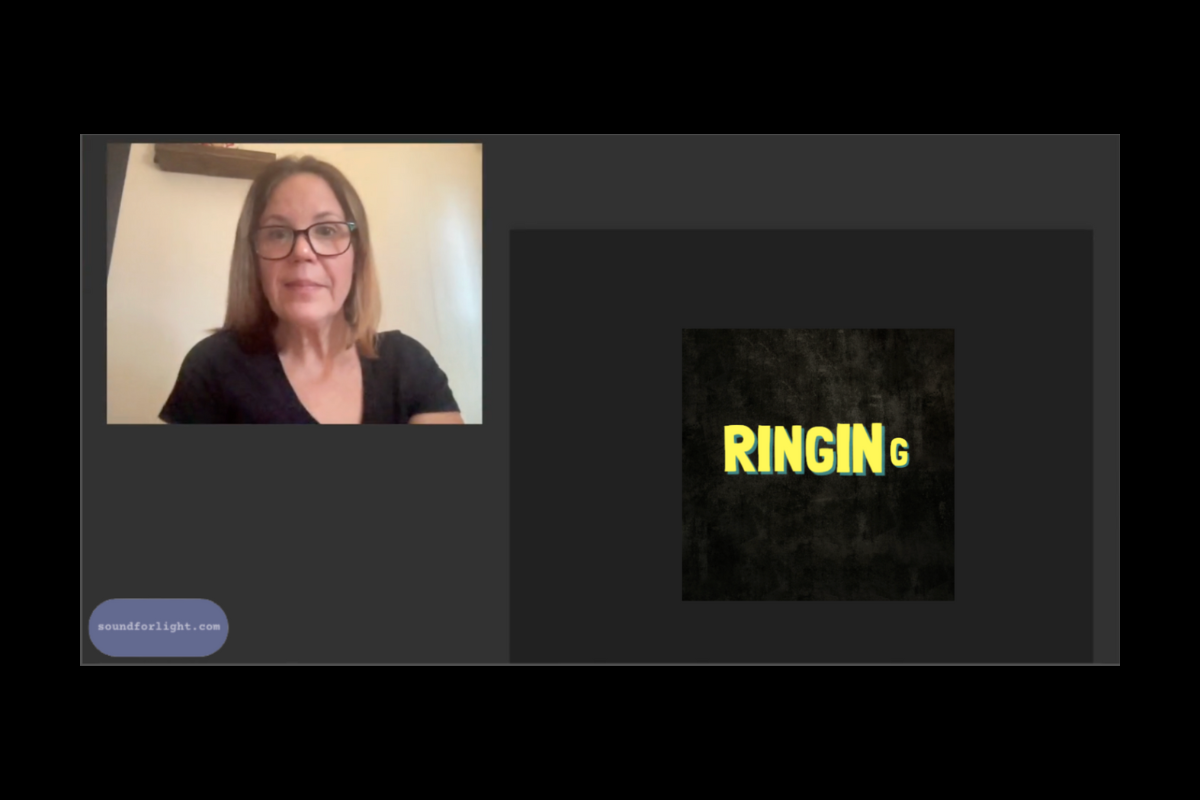
Photo by Sound for Light.
What is VRS or the Video Relay Service?
Video Relay Service or VRS is a system that allows Deaf ASL users to make phone calls to hearing people through a live ASL interpreter — in real time, using video.
No typing or captions.
Just a Deaf person signing in ASL and a human interpreter in the middle signing what’s being spoken and speaking what’s being said–relaying the conversation.
How VRS Actually Works
When a Deaf person places a VRS call:
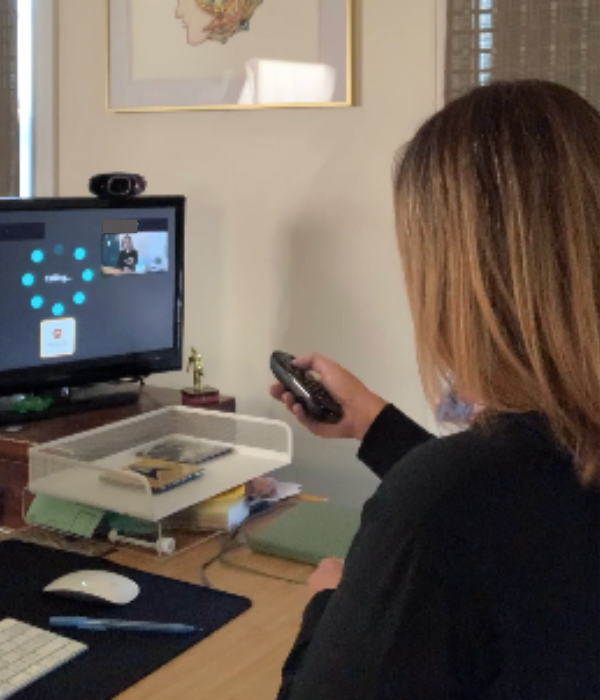
- The Deaf caller connects to a live ASL interpreter over video
- The interpreter places a voice phone call to the hearing person
- The Deaf person signs in ASL
- The interpreter voices what’s signed
- When the hearing person responds, the interpreter signs it back
That’s it. And it works in reverse when a hearing person calls a Deaf person.
The ASL interpreter isn’t adding opinions, cleaning things up, or “helping” the conversation along. They’re there to interpret — accurately and neutrally, the same way interpreters do in other settings.
Once you’ve used it, it feels less like “a special system” and more like… making a phone call.
What VRS Is Not
This is where a lot of confusion happens, especially for hearing folks.
VRS is not:
- FaceTime
- Zoom
- captions
- texting
- speech-to-text
- or some kind of recording service
FaceTime and Zoom work great for Deaf-to-Deaf calls. But they don’t connect you to hearing people or interpreters. VRS does.
It’s its own thing — built specifically for Deaf ASL users.
Why VRS Was a Big Deal
Before VRS, Deaf callers mostly relied on TTYs and text relay. That meant:
- typing everything in English
- slower conversations
- awkward turn-taking
- and a lot of information getting lost along the way
While TTYs and the corresponding relays still exist, they are English-based systems. VRS was a game changer for ASL users.
For the first time, Deaf people could make phone calls in their primary language, at a normal flow and pace, without translating their thoughts into English first.
Doctor’s offices.
Employers.
Customer service.
Emergencies.
Anywhere with a phone line, really.
All suddenly a lot more accessible — and frankly, less exhausting.
What a VRS Call Looks Like
If you’ve never seen a VRS call before, it can be hard to picture it just from words.
In the video above, you’ll see what a typical VRS call looks like from the Deaf caller’s side — the interpreter on screen, the flow of the conversation, and how natural it actually feels once you’re used to it.
This is what many Deaf people use every day to handle basic life stuff. Well, that is, life stuff that requires a phone call and can’t be done via email, text or other online systems. Ahem.
Who Pays for VRS?
This part surprises a lot of people.
In the U.S., Video Relay Service is funded by the FCC through the Telecommunications Relay Services (TRS) fund. That means:
- Deaf users don’t pay for VRS
- Interpreters are certified and trained
- Calls are confidential and regulated
This is why videophones and videophone apps are available at no cost to eligible Deaf users.
How VRS Connects Back to Videophones
Videophones are the tool.
VRS is the service that makes that tool powerful in the hearing world. This was the real breakthrough invention that Deaf people didn’t have to ask for an accommodation, or permission to communicate via phone. All earlier technology approached previously closed doors and fought to wedge a collective foot in, but VRS opened it with true access.
VRS allows Deaf ASL users to communicate with hearing people by phone — without giving up language in the process.
Common Questions
Can any Deaf person get a Videophone even if they don’t know ASL?
No. Only Deaf ASL users are able to obtain videophone technology.
Can a hearing ASL user get a Videophone?
No. Per the FCC rules, only Deaf ASL users can obtain a Videophone.
Where are the ASL interpreters located who do VRS work?
Many ASL interpreters work in call centers in every state throughout the US and Canada. Some companies allow their interpreters to work remotely from secure locations as well.