

If you’ve ever met someone who seems completely at home in both the Deaf and hearing worlds–signing in ASL with native-like fluency, then effortlessly switching to speaking and back–you may have met a CODA.
And if you know someone with Deaf parents, but have never seen them sign–they’re a CODA, too.
As Children of Deaf Adults, CODAs have a unique cultural identity that often goes beyond language. As hearing children, many grow up deeply rooted in Deaf culture and American Sign Language (ASL), while for others, Deaf culture is more of a transparent overlay onto their otherwise hearing world.
There is no single CODA experience. But they offer a window perspective into the complexities of growing up in between two worlds.

What is a CODA?
A CODA (Child of Deaf Adults) is a hearing person who has one or more Deaf parents.
Not all, but many CODAs grow up using American Sign Language (ASL) as their first language and are immersed in Deaf culture from birth. Because of this, their identity can be described as:
- Hearing by biology
- Culturally Deaf by experience
- Bilingual and bicultural
- “Mother-Father Deaf” or “Parents-Deaf” in ASL
For others where ASL was not the sole or predominant language at home, or whose families were more isolated, these CODAs’ exposure to Deaf culture may be more diluted. And yet, their identity can be described as the same.
That is because regardless of language and culture exposure, there is an underlying connective bond all CODAs share. This identity is their birthright, even if each CODA relates to it differently.
While the term “CODA” technically refers to adults, it’s sometimes used more broadly to describe this identity at any age.
KODAs: Kids of Deaf Adults
A KODA (Kid of Deaf Adults) refers specifically to children under 18 who have Deaf parents.
This is the difference:
KODA = kid/child (under 18)
CODA = adult / broader term to describe identity
In practice, you’ll often hear “CODA” used for both, but “KODA” helps highlight the childhood experience, which comes with its own unique challenges and perspectives.
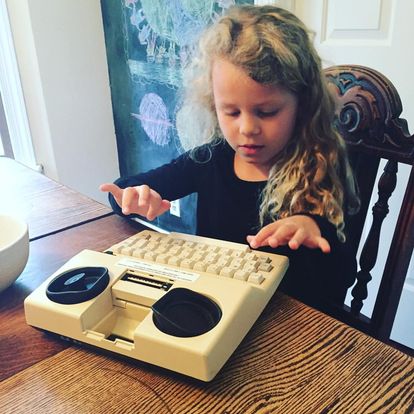
Culturally Deaf, Yet Hearing
CODAs have a unique identity.
Even though CODAs can hear, many may:
- Default to thinking in ASL
- Embrace Deaf cultural norms
- Navigate the world visually
- Feel a strong connection to the Deaf community
This can create a dual identity where they feel like they don’t fully fit into either the hearing world or the Deaf world.
Perspectives on CODAs: hearing world vs Deaf parents
Stories about the Deaf community are often told through a CODA perspective, offering hearing audiences an entry point into Deaf culture through someone who can move between both worlds. This perspective comes with a lot of admiration for them, but also high expectations to uphold. CODAs are sometimes imagined as confidently immersed in both Deaf and hearing worlds, assuming ambassadorship at birth.
In reality, that’s a lot to be.
As Deaf parents, we want to protect CODAs and KODAs. They are not intended to be cultural tour guides or inspirational symbols. They are our children first. We want them to grow up with pride in their language and community, but also with their own identities.
A Window Into Both Worlds
Because CODAs often move between Deaf and hearing spaces, they may notice communication dynamics others miss.
From a young age, they may:
- Understand communication details or barriers others don’t notice
- Adapt to and deeply understand language nuances
- Develop strong social awareness and empathy
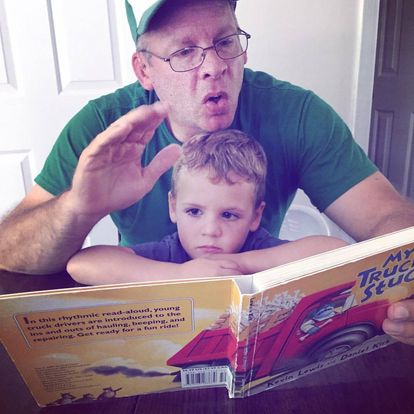
Assumptions about CODAs
Regardless of language fluencies or cultural immersion, CODAs perspectives can be incredibly valuable. But, even so, it can come with misunderstanding or assumptions.
Varying Levels of ASL Fluency
While many CODAs grow up using ASL from birth, their signing abilities can vary widely. It’s important to recognize that CODAs are less likely to have had formalized ASL instruction than either their hearing or Deaf peers. So, their fluency largely depends on family dynamics, access to Deaf or other CODA kids, education, geography, and personal identity.
Some become highly fluent signers. Others may sign primarily with their parents, become rusty over time, or feel disconnected from expectations placed on them by both Deaf and hearing communities.
“They want to teach their friends ASL”
Some CODAs that know ASL may want to teach their friends or classmates. But, not all are interested or able to teach hearing people ASL or fingerspelling. Teaching, even among friends and supporters, can be hard.
Additionally, some kids are self-conscious or particularly sensitive to feeling different, even if it’s framed positively.
It’s really individual.
“The automatic interpreter”
This is the biggest assumption. While many CODAs are bilingual in ASL and English, it doesn’t mean they can or should interpret.
In fact, they should never be expected to carry that responsibility. And yet, they have.
Historically (and still in some places today), young children were often relied on to interpret in adult situations like:
- Medical appointments
- School meetings
- Emergencies
This can place a heavy emotional and developmental burden on a child.
The Stress and Strength of the KODA Experience
Given this history and their unique identities, KODAs need support that honors their bicultural roots and understands their role as children.
Not acknowledging this can lead to stress:
- A sense of being the person “responsible” for communication
- Protectiveness toward their parents
- Early maturity
- Stress or “parentification”
But with the right support, KODAs strengths stand out:
- Exceptional communication skills
- Cultural awareness
- Pride in their identity
A Treasured Role in the Deaf Community
CODAs and KODAs are deeply valued within the Deaf community.
They often:
- Serve as natural examples of bilingual-bicultural children
- Inspire their people to learn ASL
- Advocate for accessibility
- Preserve and share Deaf culture
Many also go on to become ASL interpreters–a choice, not an expectation.
CODAs can be anything they want to be. Wherever they land, they’ll bring a CODA perspective to the world, because it’s a part of them.
Famous CODAs and CODA Representation in Media
As with Deaf people, CODA representation in the media raises awareness about their life experience as well as their unique cultural identity.
MJ Grant
MJ is a CODA on instagram who is navigating her Deaf mother’s journey through dementia and memory care. She uses her platform to raise awareness of the intersection of deaf culture, aging, and memory loss.
Louise Fletcher
The late actress, best known for the movie One Flew Over the Cuckoo’s Nest and the television show Star Trek: Deep Space Nine, won an Academy Award for her role in the former. In part of her acceptance speech, she signed in ASL to honor her Deaf parents, bringing visibility to CODA identity on a global stage.
CODA Brothers
When you consider the relative “youth” of the internet, these two are now an “old ” favorite. Two (grown-up) CODA brothers share the hilarious tales of growing up in their Deaf house, all in ASL. Captions and voice-overs for the “ASL impaired”.
CODA movie
This Oscar-winning film tells the story of a hearing daughter in a Deaf family and highlights the emotional complexity of the CODA experience.
While the film brought visibility to the CODA role within Deaf families, it should also be noted that certain interpreting dynamics portrayed (such as in medical settings) are much less common today. These scenes reflect pressures KODAs historically faced and may have been heightened for dramatic (and humorous) effect.
Beyond Silence (German: Jenseits der Stille)
A powerful 1996 German film that explores similar themes of CODA identity, responsibility, and communication. (Features spoken German and the signed Deutsche Gebärdensprache or DGS)
KODAs are children, not interpreters
While laws like the Americans with Disabilities Act of 1990 have improved access to professional interpreters, telecommunications, and captioning, awareness of a CODA’s role in communication is essential.
Bottom line: Children should not act or be asked to act as interpreters.
And still, well-meaning hearing individuals may unintentionally:
- Rely on children to interpret
- Involve them in adult conversations
- Overlook the emotional weight of their role
So, there’s usually not a good reason to put a kid in that position. Oh, but wait. Sometimes they volunteer.
KODAs themselves try to interpret
So despite it being a big 21st century no-no, sometimes KODAs themselves express a desire to interpret between hearing people and their Deaf parents in conversations.
Even if they’re not asked to, the fact is, it’s a natural thing for them to want to do if they:
- Are fluent in both languages
- See and hear a communication struggle
- Want to be proactive and provide a fix
- Are reacting/sensitive to perceived social pressure
- Feel protective
So the key is balance. Support their voice without placing responsibility on their shoulders.
How to navigate around using a child to interpret
If your communication is with a KODA’s parent, first utilize other communication tools such as:
- Professional ASL interpreters
- Writing
- Typing on your phone
If the communication is with the KODA themselves, make sure to include the Deaf parent using one of the above methods, just as you would for a hearing parent.
Avoid statements like, “Tell your mom I said..” or otherwise speaking to the child about the parent as if they aren’t there. Directly loop them in by including them in the conversation.
So, even if the KODA chimes in with some clarity on top of that, it’s a bonus–not an obligation. The authoritative and decision-making power rests with the parent.
Kids get to be kids.
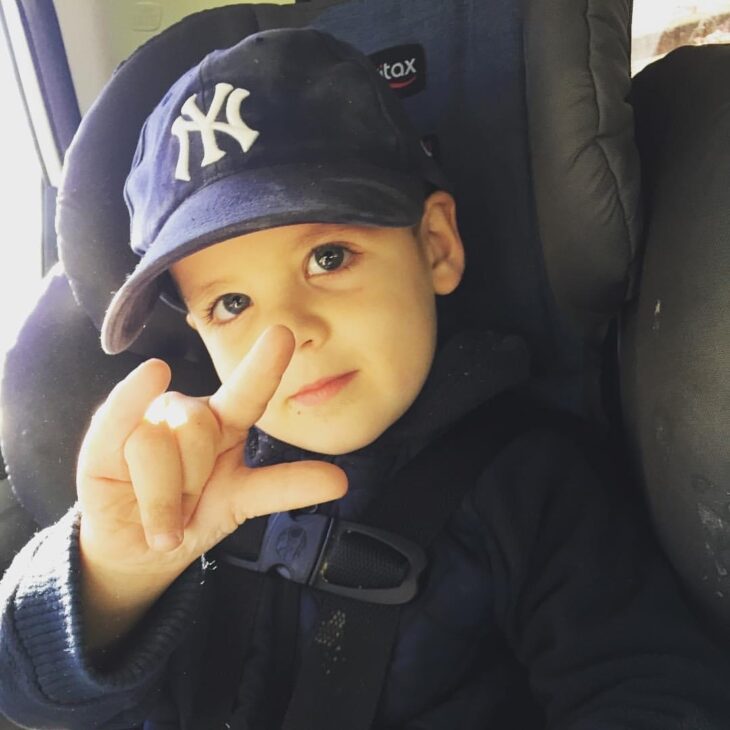
CODAs live at the intersection of two languages and two cultures
CODAs live between two worlds separated by language, sound and culture.
They alone walk back and forth from each place every day. It’s who they are.
CODAs’ unique perspective is intriguing, but romanticizing their experience does them a disservice.
Just see them. They’ll shine bright.
If you enjoyed this article, you might also like:
I’m Deaf – and the New Deaf President Now! Movie Still Surprised Me